


When sparks fly on the cliffs: Alpine ibex and domestic goats 
The reintroduction of Alpine ibex has taken an unexpected turn in some cases – through encounters with domestic goats.
Hybrids between ibex and goats are nothing new, but perhaps more common than previously thought. There are two sides to this hybridization: on the one hand, the ibex has gained genetic diversity from domestic goats, especially in areas of the genome that are important for the immune system. This makes hybrids sturdier and more resilient.
On the other hand, goat genes also pose risks for ibex: genetic defects or unfavorable adaptations of a domesticated species – such as young being born too early in the still wintry high mountains.
And climate change could now favor their survival in the high mountains. In fact, hybrids are reproducing very successfully in some areas. We are currently examining possible negative consequences of this development. This research is highly relevant: it helps guide decisions on how to deal with hybrids in conservation.
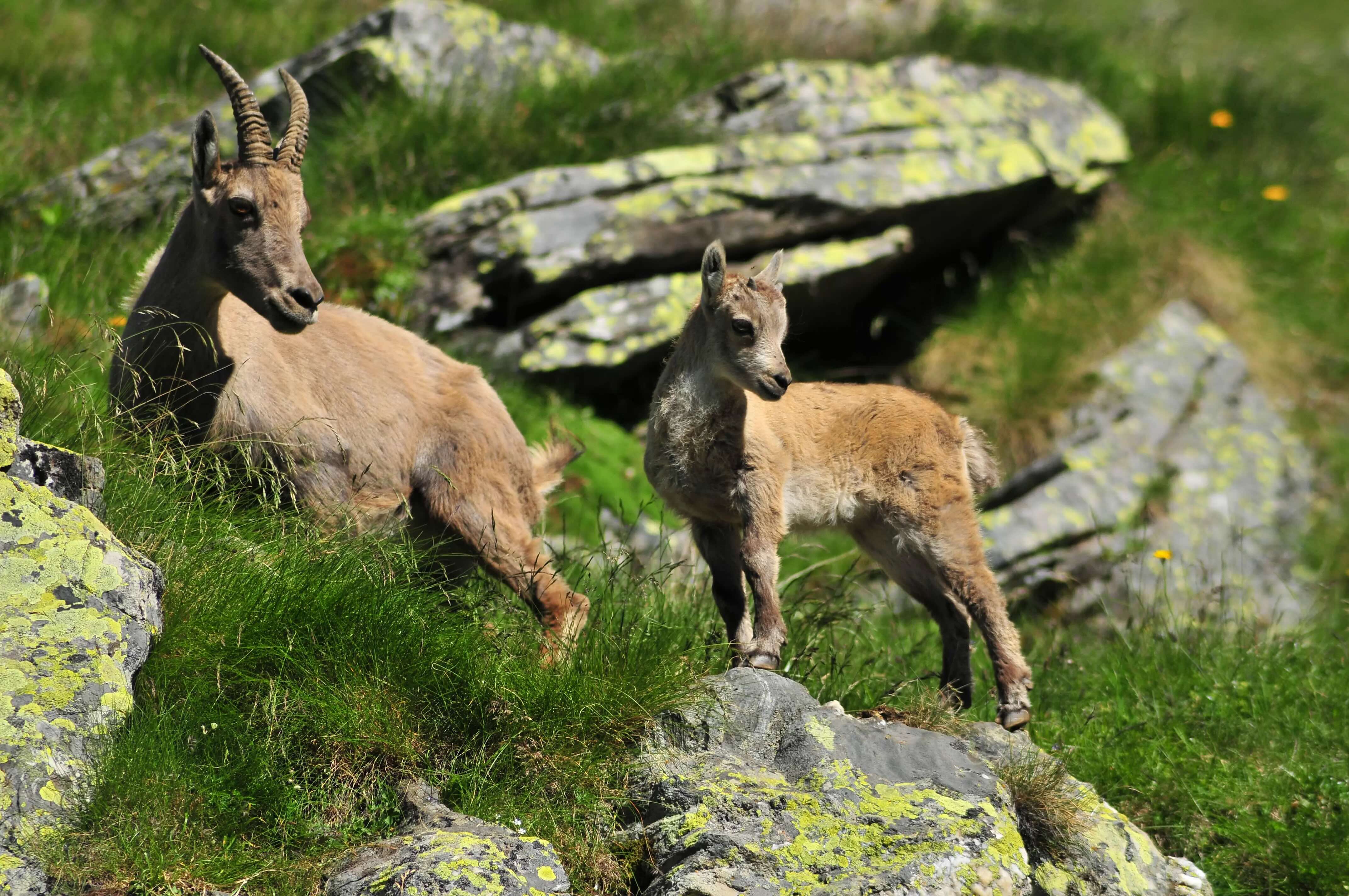
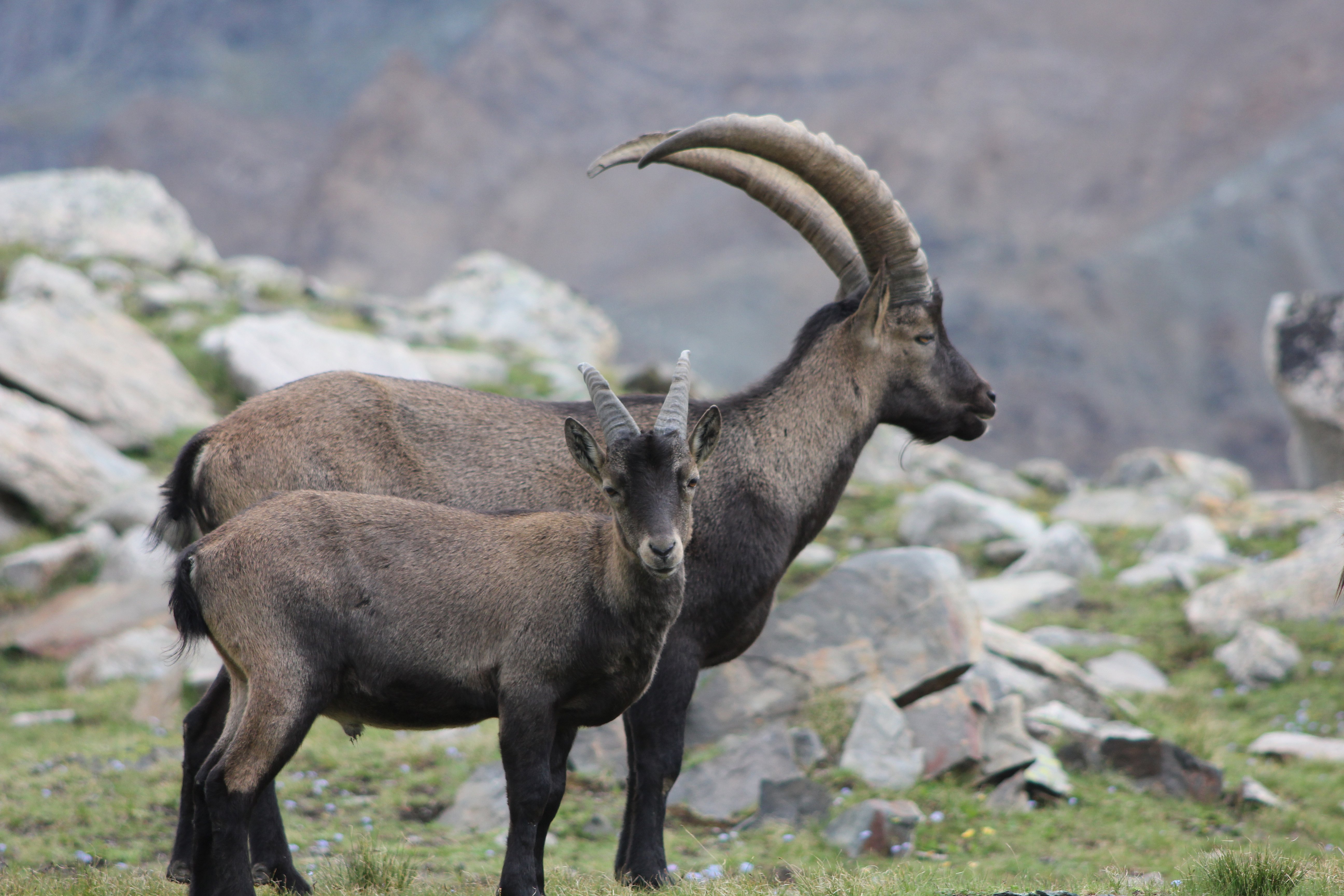


Hybrid ibex often have several striking features. These include dark or orange coat colors and unusual horns, for example with a triangular cross-section, longer annual sections, or flattened decorative ridges on the horns. Hybrids also tend to have a stockier build.
Meet the scientist 

Contact 
Dr. Christine Grossen
Scientific staff member
Biodiversity and Conservation Biology
Ecological Genetics
christine.grossen(at)wsl.ch
WSL Birmensdorf