


Hidden neighbors: wild animals in our midst 
How well do observations by the population, wildlife cameras, and eDNA capture urban wildlife?
Cities harbor a surprisingly high diversity of species. Zurich, for example, is home to numerous mammals, from native beavers to introduced raccoons.
However, we have data on only a few of these species. These shy "wild neighbors" are mostly nocturnal, which makes it difficult to estimate their numbers and distribution. As cities become denser and the habitats shrink, the animals come under increasing pressure.
Efficient monitoring is therefore key to better protecting nature and enabling sustainable coexistence with wildlife.
We compared several methods: wildlife cameras with and without camouflage boxes, sightings by the population, and eDNA from Zurich streams.

Wildlife cameras set up in the open mostly recorded large mammals. Cameras installed in camouflage boxes, on the other hand, captured images of more elusive small mammals. Sightings reported by the public highlighted frequent and easily recognizable species such as hedgehogs, squirrels, and beavers.
And thanks to eDNA analysis, even rare, secretive animals were detected—for example, the water shrew.
However, the evaluation was challenging because large amounts of DNA from humans, pets, and livestock masked the traces of wild animals.
Conclusion: Many mammal species live in Zurich. A combination of methods is necessary to obtain a comprehensive picture.
Caught red-pawed: Zurich’s wildlife in action 
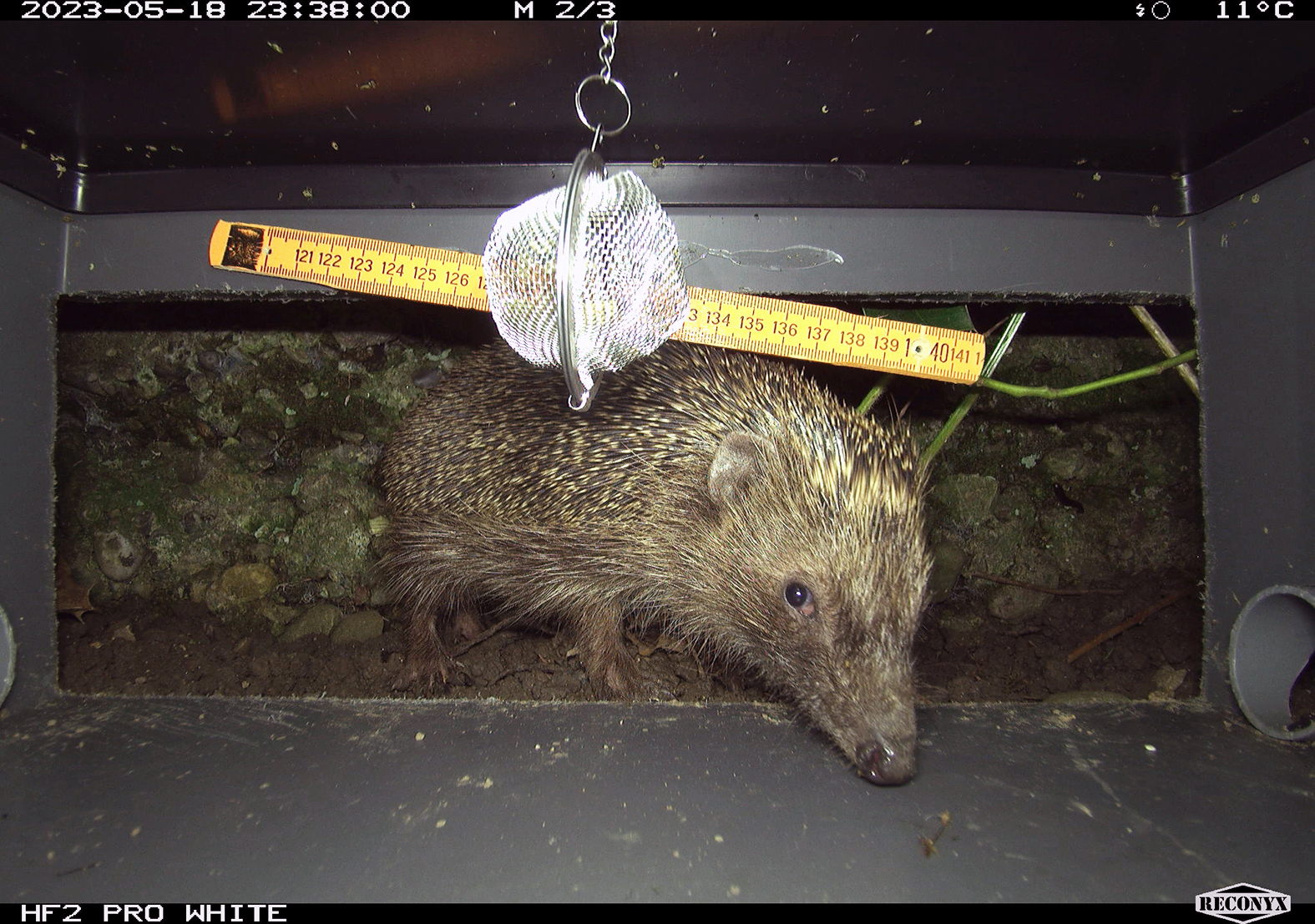
Brown-breasted hedgehog (Erinaceus europaeus). (Photo: Mathujah Manikkan, stadtwildtiere.ch)
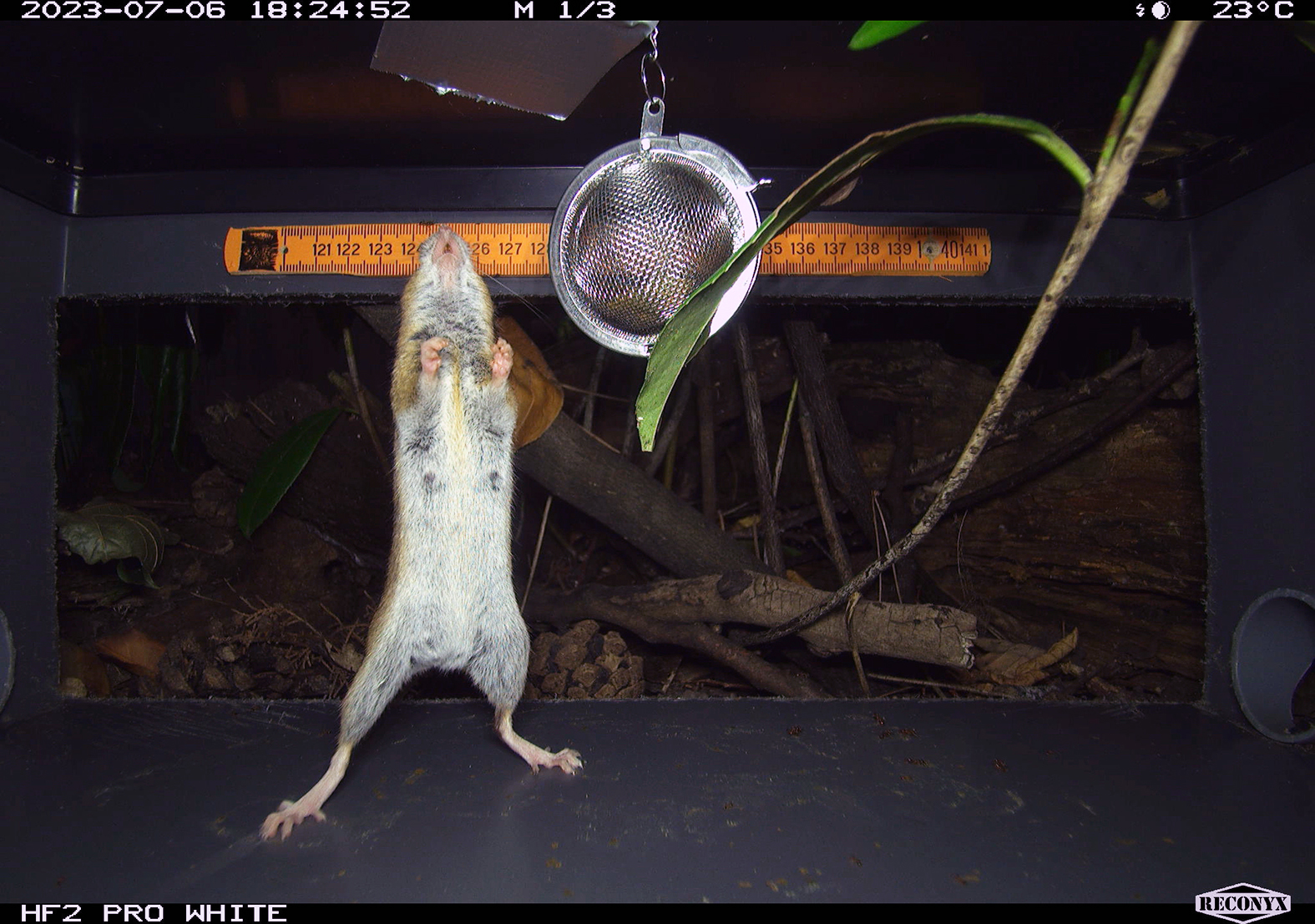
Yellow-necked mouse (uncertain) (Apodemus flavicollis). Positive identification: Apodemus sp. (Photo: Mathujah Manikkan, stadtwildtiere.ch)
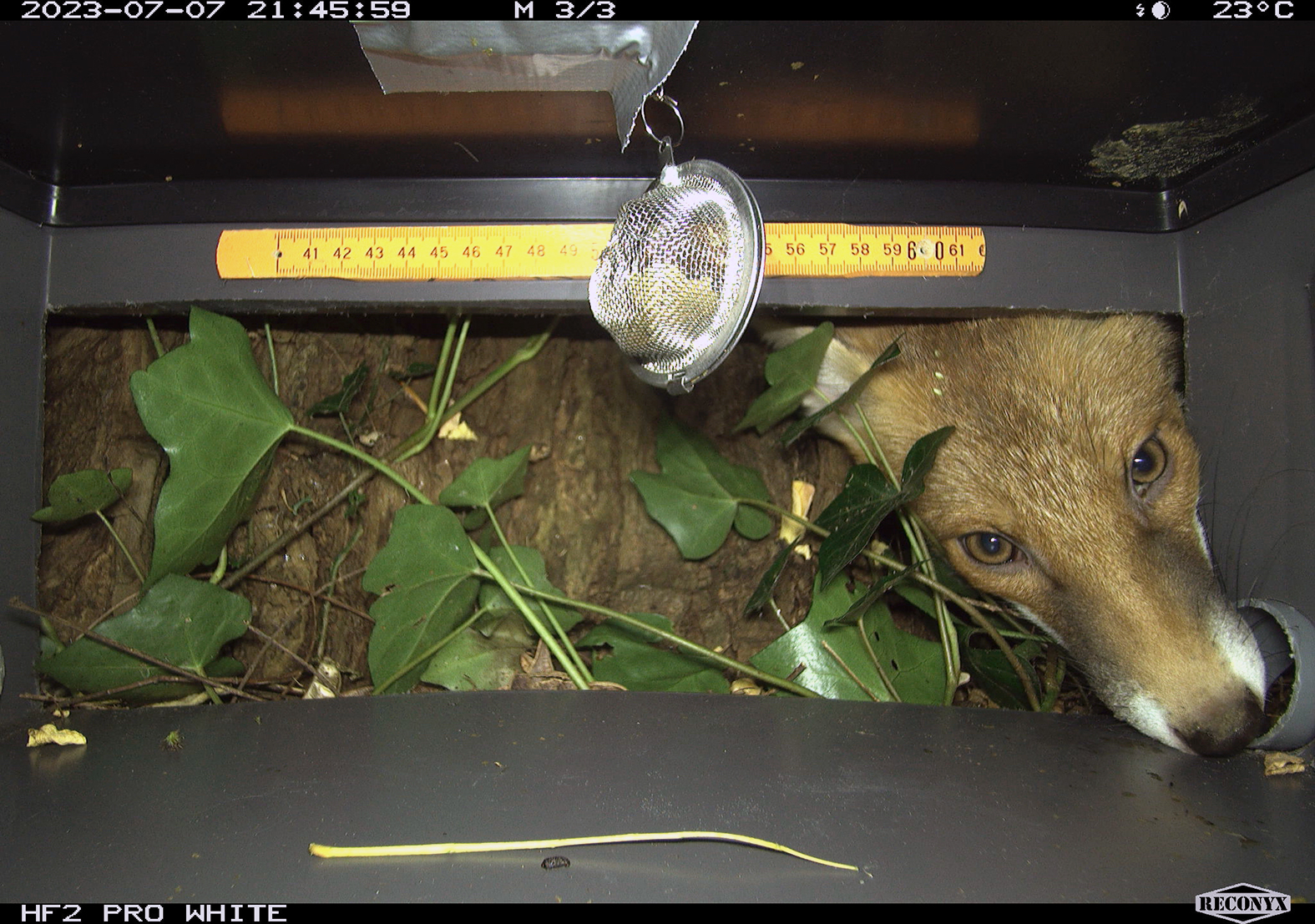
Red fox (Vulpes vulpes). (Photo: Mathujah Manikkan, stadtwildtiere.ch)
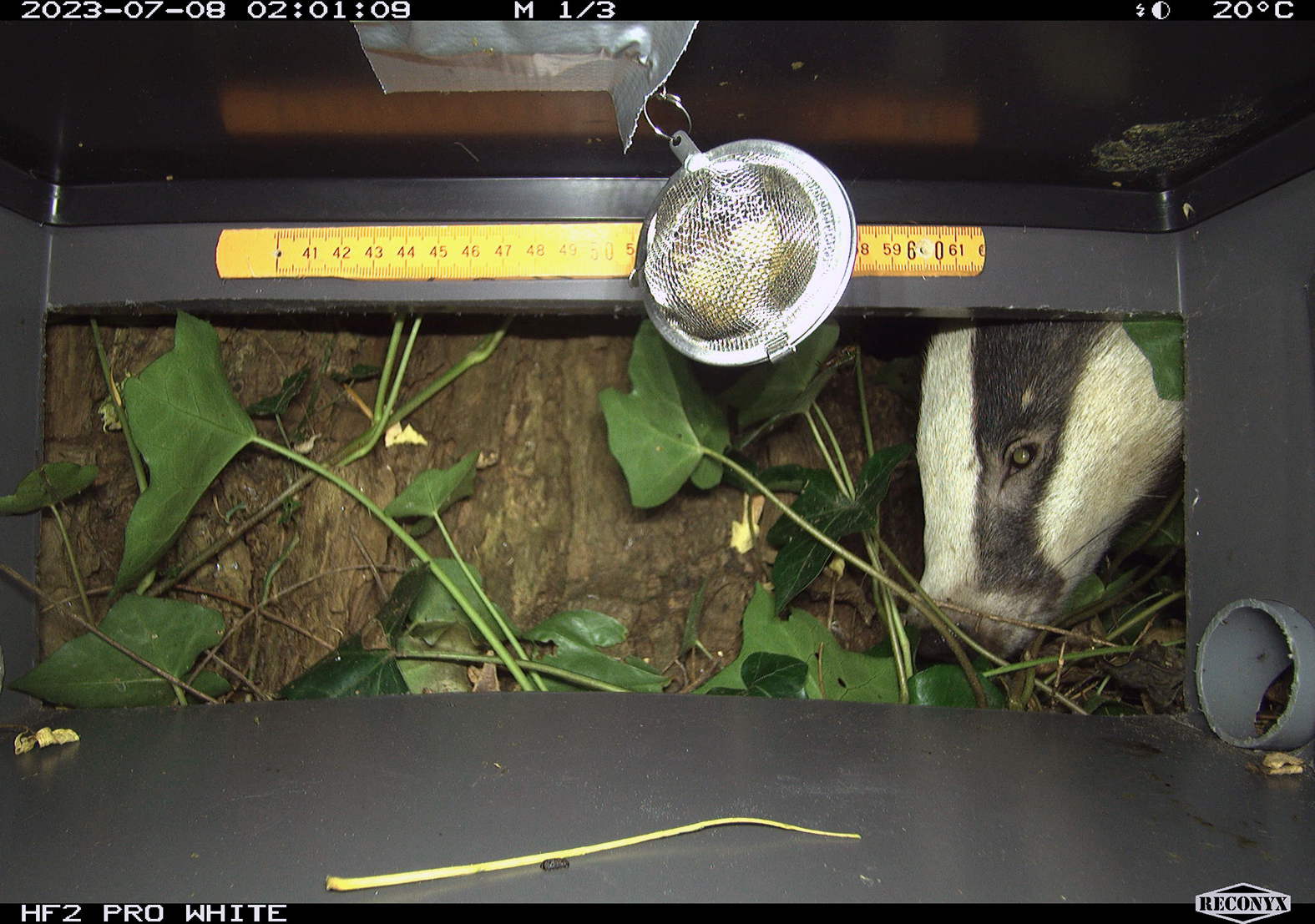
European badger (Meles meles). (Photo: Mathujah Manikkan, stadtwildtiere.ch)
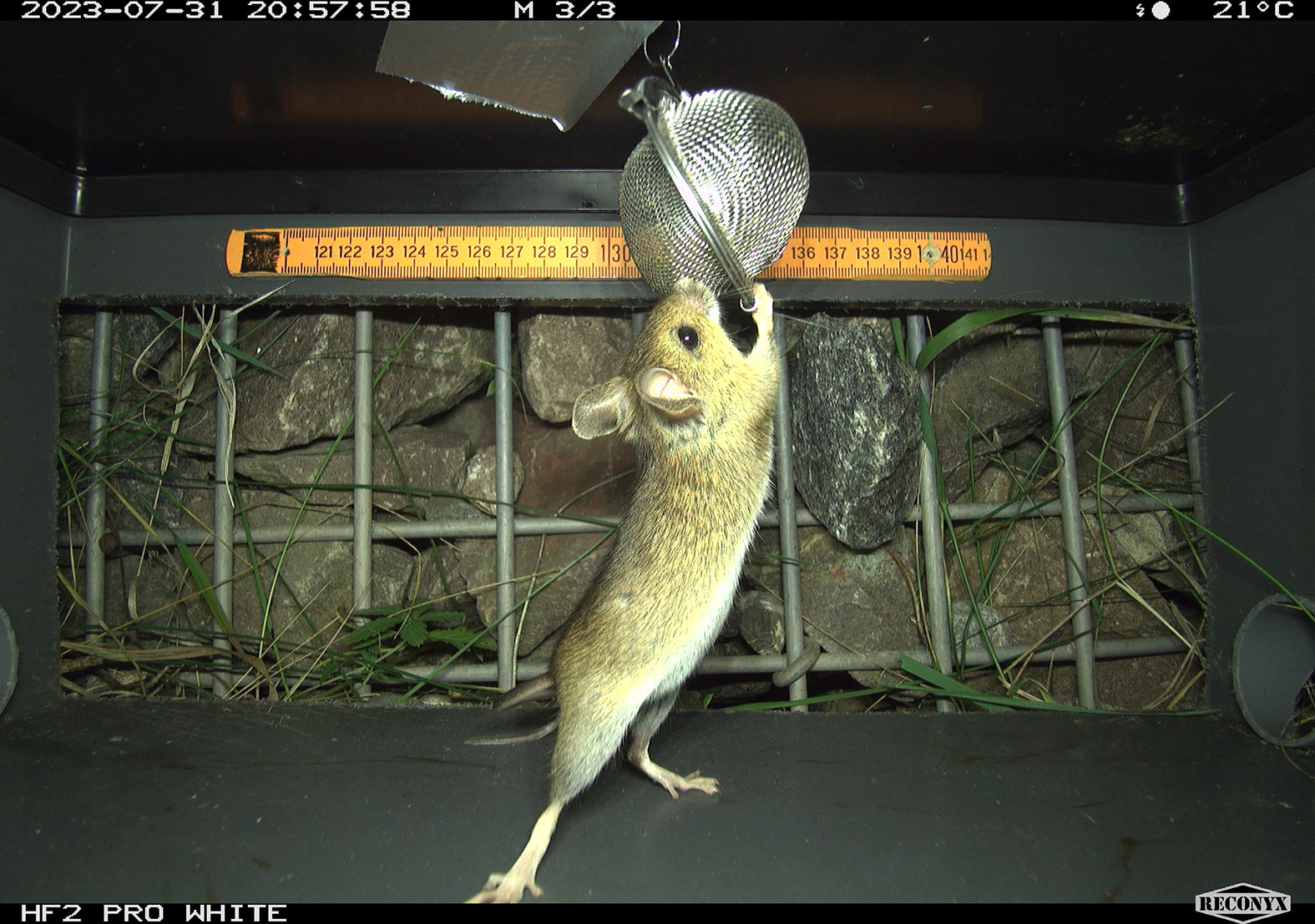
Wood mouse (uncertain) (Apodemus sylvaticus). Positive identification: Apodemus sp. (Photo: Mathujah Manikkan, stadtwildtiere.ch)
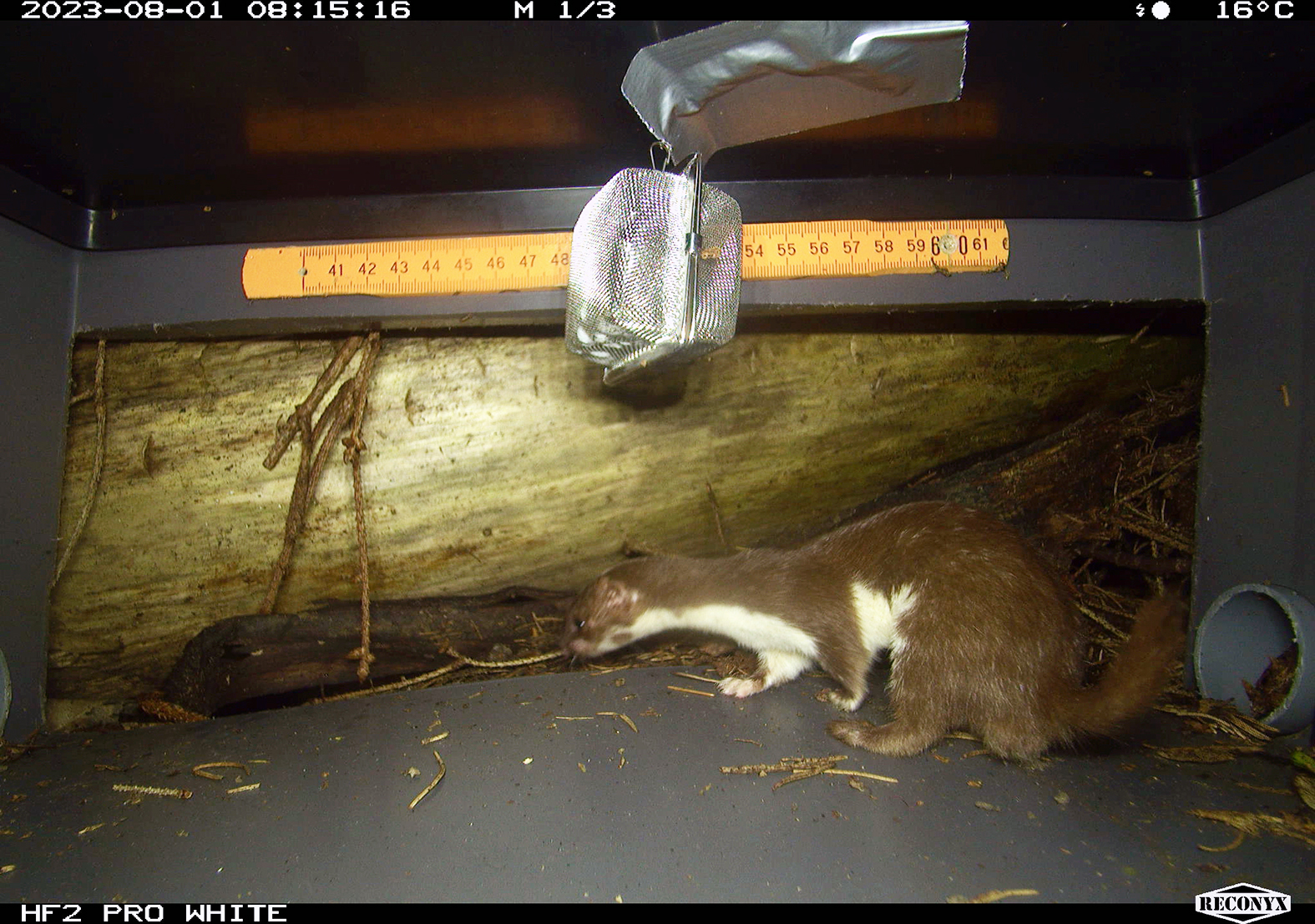
Least weasel (Mustela nivalis). (Photo: Mathujah Manikkan, stadtwildtiere.ch)
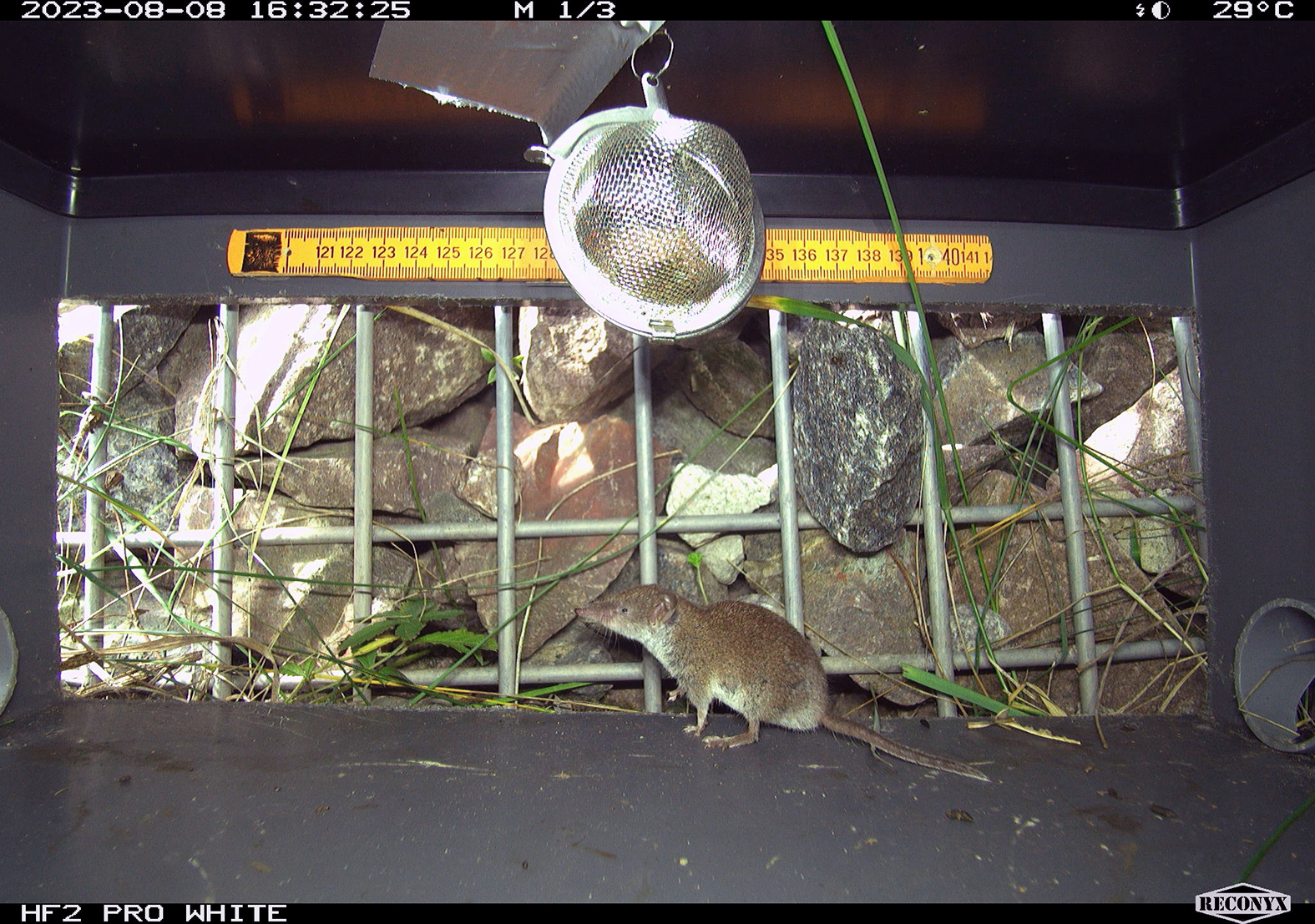
Greater white-toothed shrew (Crocidura russula). (Photo: Mathujah Manikkan, stadtwildtiere.ch)
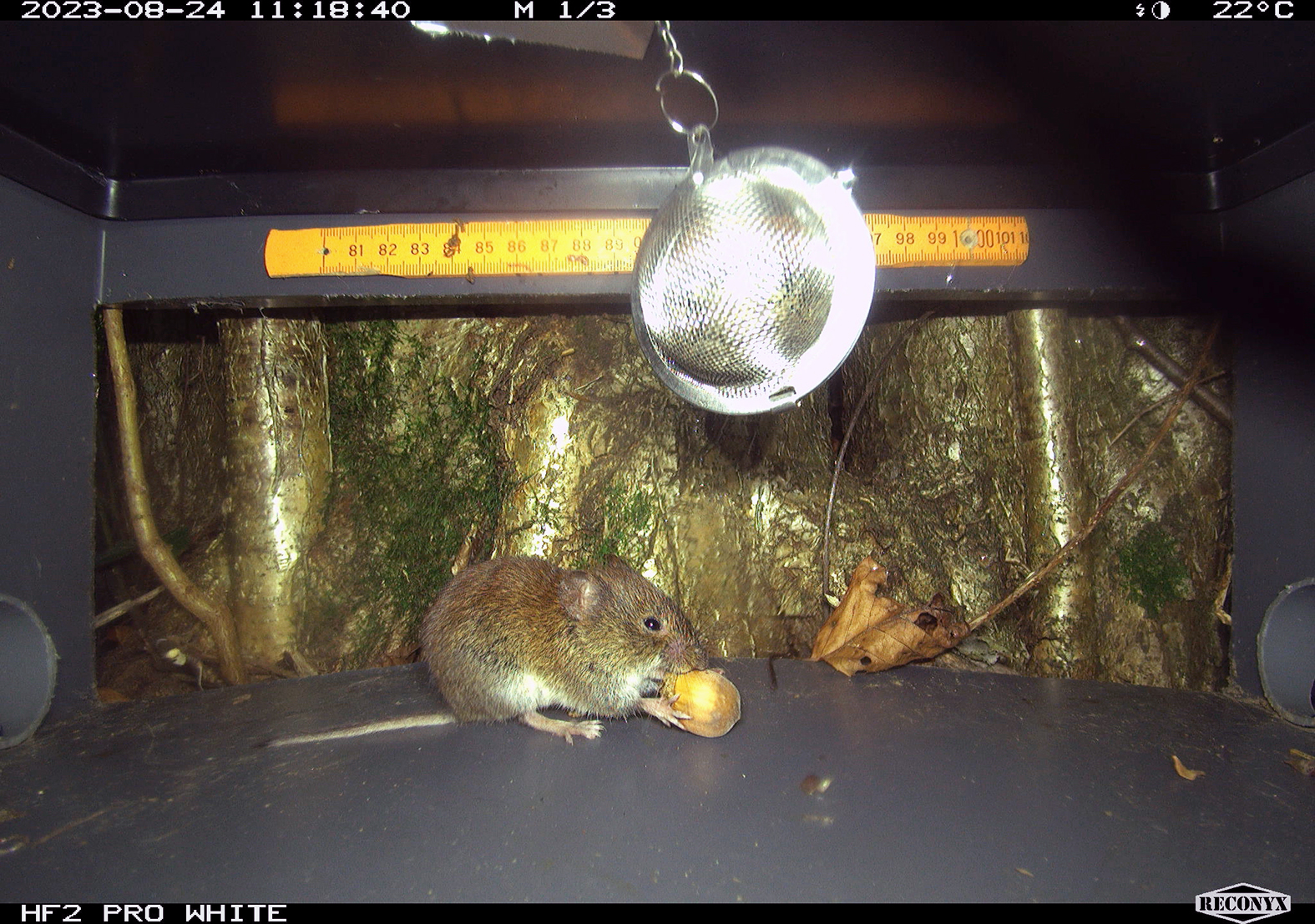
Bank vole (Myodes glareolus). (Photo: Mathujah Manikkan, stadtwildtiere.ch)
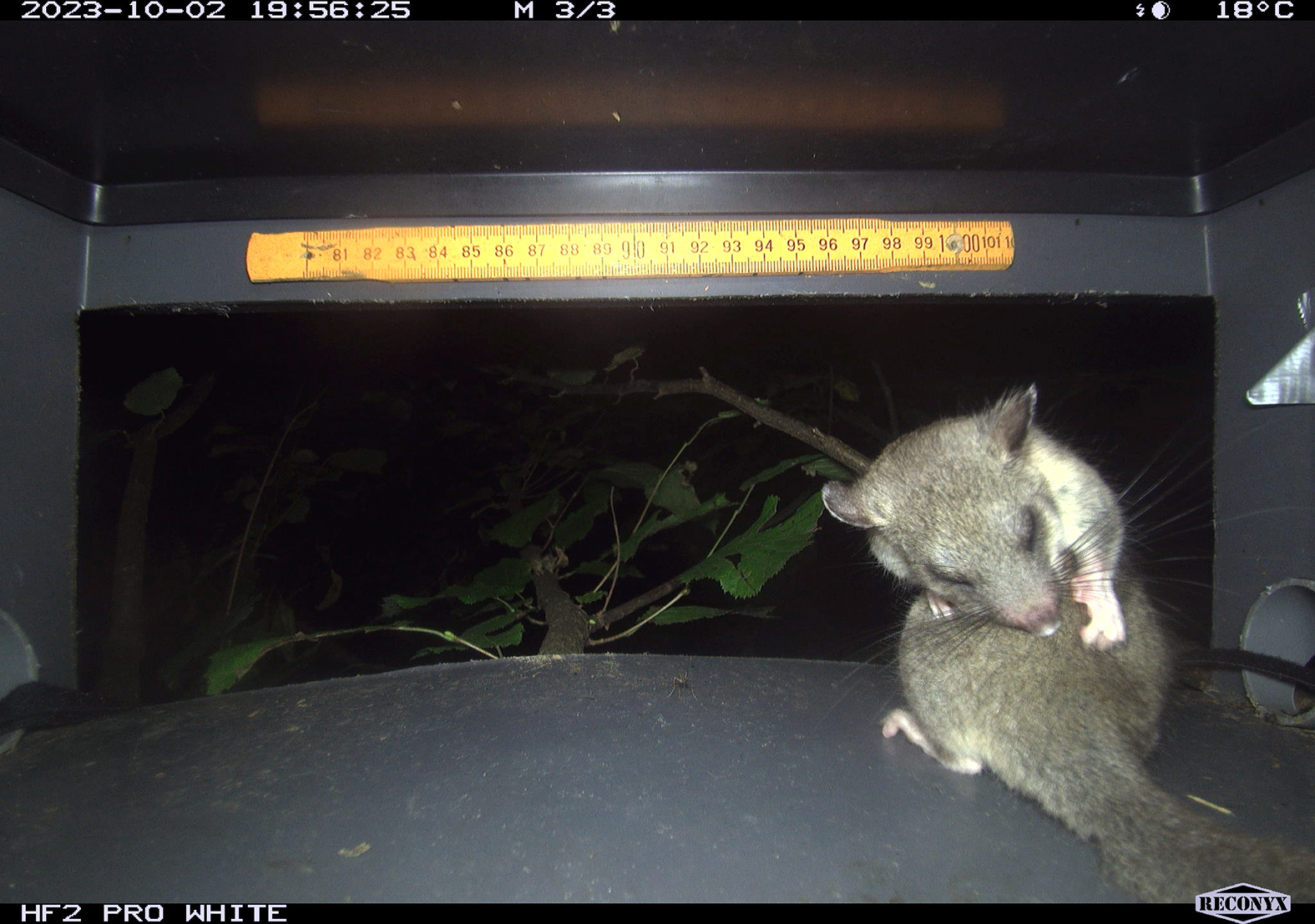
European edible dormouse (Glis glis). (Photo: Mathujah Manikkan, stadtwildtiere.ch)
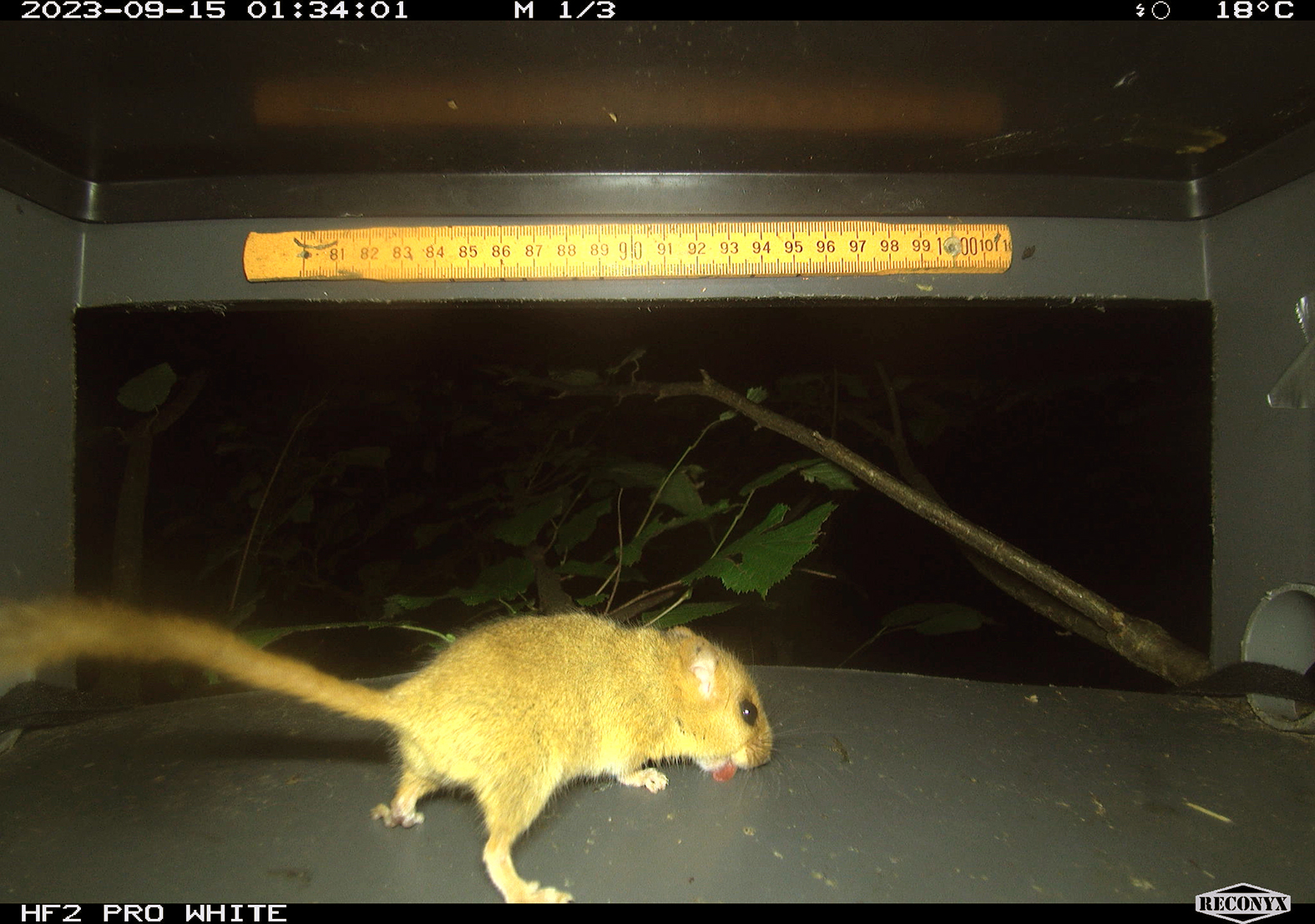
Hazel dormouse (Muscardinus avellanarius). (Photo: Mathujah Manikkan, stadtwildtiere.ch)
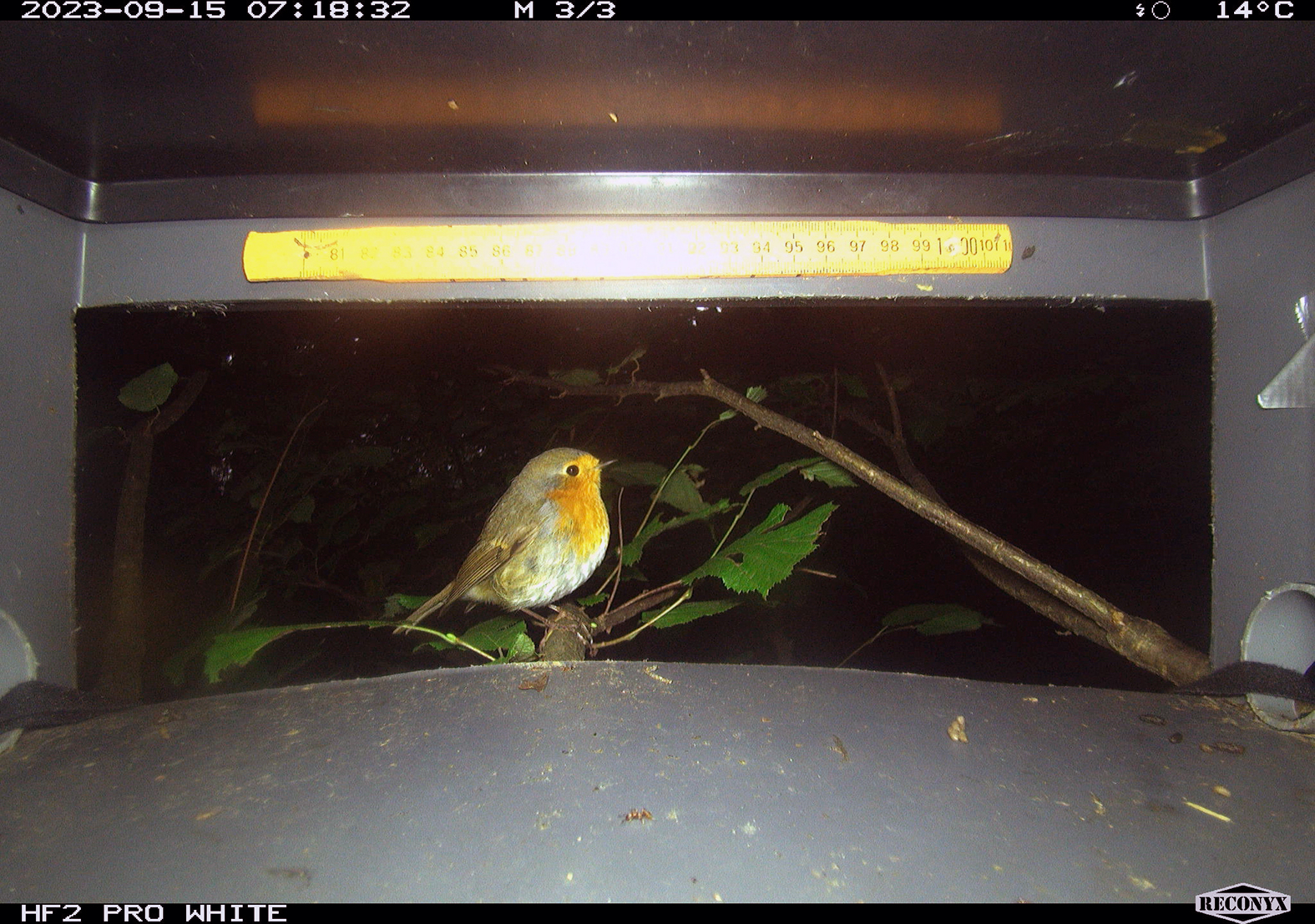
European robin (Erithacus rubecula). (Photo: Mathujah Manikkan, stadtwildtiere.ch)
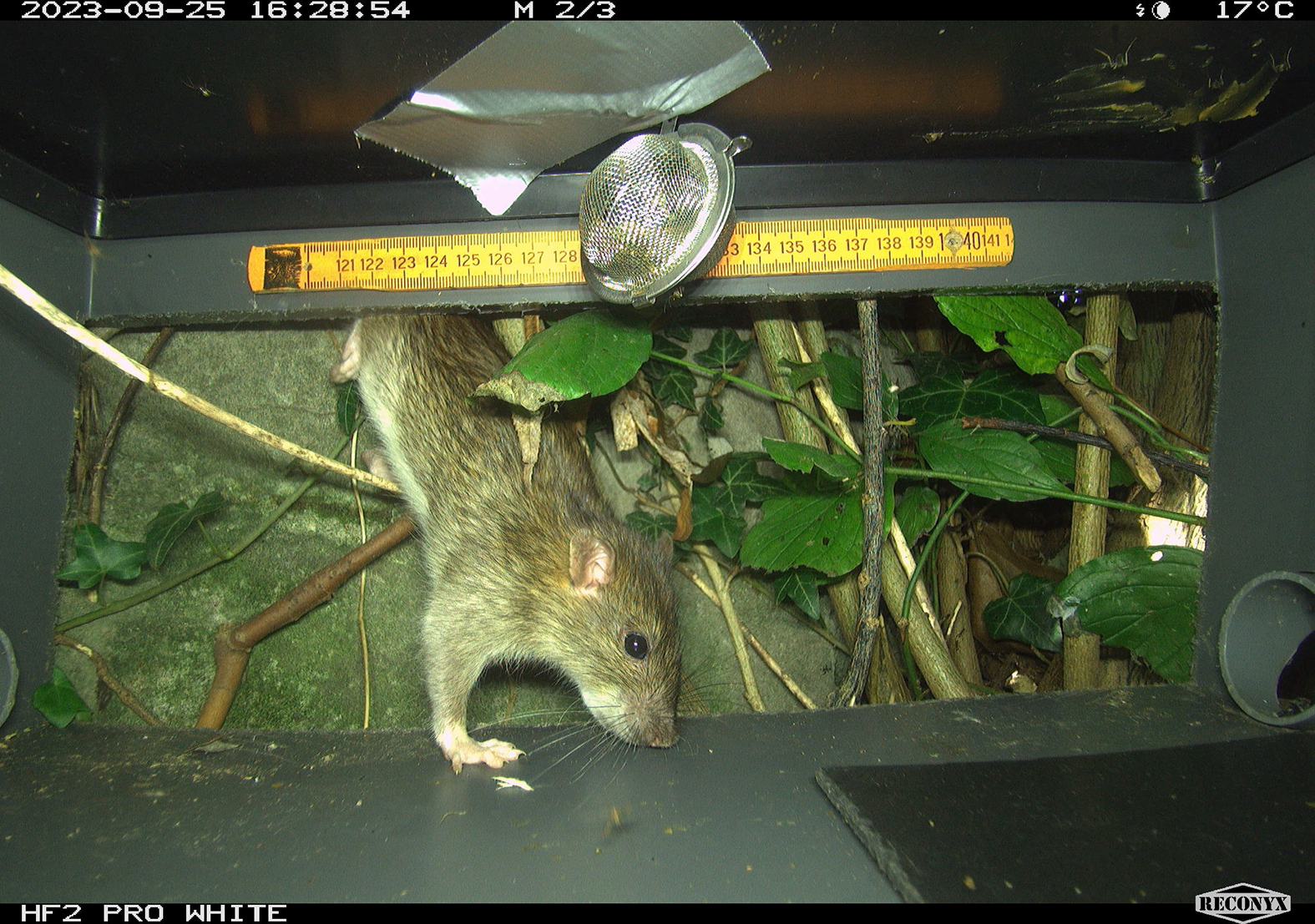
Brown rat (Rattus norvegicus). (Photo: Mathujah Manikkan, stadtwildtiere.ch)